Reference Cycle ทำให้หน่วยความจำรั่วได้
การรับประกัน memory safety ของ Rust ทำให้มันยาก แต่ไม่เป็นไปไม่ได้
ที่จะสร้างหน่วยความจำที่ไม่ถูก cleanup โดยบังเอิญ (รู้จักในชื่อ
memory leak) การป้องกัน memory leak สมบูรณ์ไม่ใช่หนึ่งในการรับ
ประกันของ Rust หมายความว่า memory leak เป็น memory safe ใน Rust
เราเห็นได้ว่า Rust อนุญาต memory leak โดยใช้ Rc<T> และ
RefCell<T> — เป็นไปได้ที่จะสร้าง reference ที่ item อ้างถึงกันใน
cycle นี่สร้าง memory leak เพราะ reference count ของแต่ละ item ใน
cycle จะไม่ถึง 0 และค่าจะไม่ถูก drop
สร้าง Reference Cycle
มาดูว่า reference cycle อาจเกิดยังไงและวิธีป้องกัน เริ่มด้วยนิยาม
ของ enum List และเมธอด tail ใน Listing 15-25
use crate::List::{Cons, Nil};
use std::cell::RefCell;
use std::rc::Rc;

#[derive(Debug)]
enum List {
    Cons(i32, RefCell<Rc<List>>),
    Nil,
}

impl List {
    fn tail(&self) -> Option<&RefCell<Rc<List>>> {
        match self {
            Cons(_, item) => Some(item),
            Nil => None,
        }
    }
}

fn main() {}RefCell<T> เพื่อให้เราแก้สิ่งที่ variant Cons อ้างถึงเราใช้รูปแบบอื่นของนิยาม List จาก Listing 15-5 element ที่สองใน
variant Cons ตอนนี้เป็น RefCell<Rc<List>> หมายความว่าแทนการมี
ความสามารถที่จะแก้ค่า i32 ดังที่เราทำใน Listing 15-24 เราต้องการ
แก้ค่า List ที่ variant Cons กำลังชี้ เรายังเพิ่มเมธอด tail
เพื่อทำให้สะดวกสำหรับเราในการเข้าถึง item ที่สองถ้าเรามี variant
Cons
ใน Listing 15-26 เรากำลังเพิ่มฟังก์ชัน main ที่ใช้นิยามใน Listing
15-25 โค้ดนี้สร้าง list ใน a และ list ใน b ที่ชี้ไปยัง list
ใน a จากนั้น มันแก้ list ใน a ให้ชี้ไปยัง b สร้าง reference
cycle มี statement println! ระหว่างทางเพื่อแสดงว่า reference count
เป็นอะไรที่จุดต่าง ๆ ในกระบวนการนี้
use crate::List::{Cons, Nil};
use std::cell::RefCell;
use std::rc::Rc;

#[derive(Debug)]
enum List {
    Cons(i32, RefCell<Rc<List>>),
    Nil,
}

impl List {
    fn tail(&self) -> Option<&RefCell<Rc<List>>> {
        match self {
            Cons(_, item) => Some(item),
            Nil => None,
        }
    }
}

fn main() {
    let a = Rc::new(Cons(5, RefCell::new(Rc::new(Nil))));

    println!("a initial rc count = {}", Rc::strong_count(&a));
    println!("a next item = {:?}", a.tail());

    let b = Rc::new(Cons(10, RefCell::new(Rc::clone(&a))));

    println!("a rc count after b creation = {}", Rc::strong_count(&a));
    println!("b initial rc count = {}", Rc::strong_count(&b));
    println!("b next item = {:?}", b.tail());

    if let Some(link) = a.tail() {
        *link.borrow_mut() = Rc::clone(&b);
    }

    println!("b rc count after changing a = {}", Rc::strong_count(&b));
    println!("a rc count after changing a = {}", Rc::strong_count(&a));

    // Uncomment the next line to see that we have a cycle;
    // it will overflow the stack.
    // println!("a next item = {:?}", a.tail());
}List ที่ชี้ไปหากันเราสร้าง instance Rc<List> ที่เก็บค่า List ในตัวแปร a ด้วย
list เริ่มต้นของ 5, Nil เราจากนั้นสร้าง instance Rc<List> ที่
เก็บค่า List อื่นในตัวแปร b ที่บรรจุค่า 10 และชี้ไปยัง list
ใน a
เราแก้ a ให้มันชี้ไปยัง b แทน Nil สร้าง cycle เราทำสิ่งนั้น
โดยใช้เมธอด tail เพื่อรับ reference ของ RefCell<Rc<List>> ใน
a ที่เราใส่ในตัวแปร link จากนั้น เราใช้เมธอด borrow_mut บน
RefCell<Rc<List>> เพื่อเปลี่ยนค่าภายในจาก Rc<List> ที่เก็บค่า
Nil เป็น Rc<List> ใน b
เมื่อเรารันโค้ดนี้ เก็บ println! สุดท้ายเป็น comment ตอนนี้ เรา
จะได้ output นี้:
$ cargo run
   Compiling cons-list v0.1.0 (file:///projects/cons-list)
    Finished `dev` profile [unoptimized + debuginfo] target(s) in 0.53s
     Running `target/debug/cons-list`
a initial rc count = 1
a next item = Some(RefCell { value: Nil })
a rc count after b creation = 2
b initial rc count = 1
b next item = Some(RefCell { value: Cons(5, RefCell { value: Nil }) })
b rc count after changing a = 2
a rc count after changing a = 2
reference count ของ instance Rc<List> ในทั้ง a และ b เป็น 2
หลังจากที่เราเปลี่ยน list ใน a ให้ชี้ไปยัง b ที่ท้ายสุดของ
main Rust drop ตัวแปร b ซึ่งลด reference count ของ instance
Rc<List> b จาก 2 เป็น 1 memory ที่ Rc<List> มีบน heap จะไม่
ถูก drop ที่จุดนี้เพราะ reference count ของมันคือ 1 ไม่ใช่ 0
จากนั้น Rust drop a ซึ่งลด reference count ของ instance Rc<List>
a จาก 2 เป็น 1 ด้วย memory ของ instance นี้ก็ drop ไม่ได้ เพราะ
instance Rc<List> อื่นยังอ้างถึงมัน memory ที่ allocate ให้ list
จะยังไม่ถูกเก็บตลอดไป เพื่อ visualize reference cycle นี้ เราได้
สร้าง diagram ใน Figure 15-4
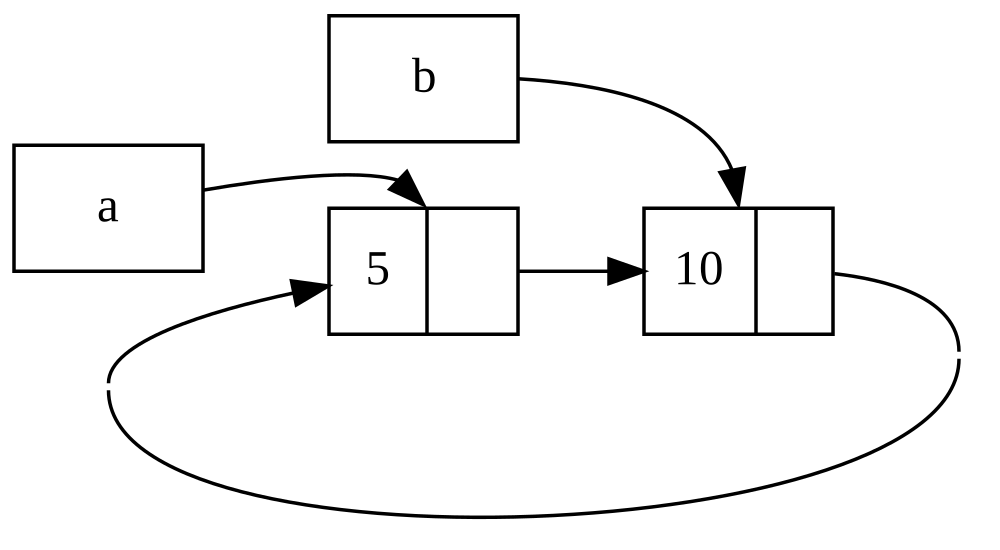
Figure 15-4: reference cycle ของ list a และ
b ที่ชี้ไปหากัน
ถ้าคุณ uncomment println! สุดท้ายและรันโปรแกรม Rust จะพยายาม print
cycle นี้ด้วย a ชี้ไปยัง b ชี้ไปยัง a และเช่นนั้นต่อไปจนกว่ามัน
overflow stack
เปรียบเทียบกับโปรแกรมในโลกจริง ผลของการสร้าง reference cycle ใน ตัวอย่างนี้ไม่รุนแรงมาก — หลังจากเราสร้าง reference cycle โปรแกรม จบ อย่างไรก็ตาม ถ้าโปรแกรมที่ซับซ้อนกว่า allocate memory เยอะใน cycle และเก็บมันเป็นเวลานาน โปรแกรมจะใช้ memory มากกว่าที่ต้องการ และอาจ overwhelm ระบบ ทำให้มันใช้ memory ที่มีหมด
การสร้าง reference cycle ไม่ทำง่าย แต่ก็ไม่เป็นไปไม่ได้ ถ้าคุณมี
ค่า RefCell<T> ที่บรรจุค่า Rc<T> หรือการรวมประเภทซ้อนคล้ายกัน
ของ type ที่มี interior mutability และ reference counting คุณต้อง
รับประกันว่าคุณไม่สร้าง cycle — คุณพึ่ง Rust ในการจับพวกมันไม่ได้
การสร้าง reference cycle จะเป็น bug logic ในโปรแกรมของคุณที่คุณควร
ใช้ automated test, code review และการปฏิบัติพัฒนาซอฟต์แวร์อื่นเพื่อ
ลด
วิธีแก้อื่นสำหรับการหลีกเลี่ยง reference cycle คือการจัดระเบียบ
โครงสร้างข้อมูลของคุณใหม่เพื่อให้บาง reference แสดง ownership และ
บาง reference ไม่ ผลคือ คุณมี cycle ที่ประกอบด้วยความสัมพันธ์
ownership บางอย่างและความสัมพันธ์ไม่ใช่ ownership บางอย่างได้ และ
เฉพาะความสัมพันธ์ ownership กระทบว่าค่า drop ได้หรือไม่ ใน Listing
15-25 เราต้องการ variant Cons เสมอที่จะ own list ของพวกมัน ดังนั้น
การจัดระเบียบโครงสร้างข้อมูลใหม่เป็นไปไม่ได้ มาดูตัวอย่างโดยใช้
graph ที่ประกอบด้วย node parent และ node child เพื่อเห็นเมื่อ
ความสัมพันธ์ไม่ใช่ ownership เป็นวิธีที่เหมาะสมในการป้องกัน
reference cycle
ป้องกัน Reference Cycle โดยใช้ Weak<T>
จนถึงตอนนี้ เราได้สาธิตว่าการเรียก Rc::clone เพิ่ม strong_count
ของ instance Rc<T> และ instance Rc<T> ถูก cleanup เฉพาะถ้า
strong_count ของมันคือ 0 คุณยังสร้าง weak reference ของค่าภายใน
instance Rc<T> ได้โดยเรียก Rc::downgrade และส่ง reference ของ
Rc<T> Strong reference คือวิธีที่คุณแชร์ ownership ของ instance
Rc<T> Weak reference ไม่แสดงความสัมพันธ์ ownership และ count
ของพวกมันไม่กระทบเมื่อ instance Rc<T> ถูก cleanup พวกมันจะไม่ทำ
ให้เกิด reference cycle เพราะ cycle ใดที่เกี่ยวข้อง weak reference
บางตัวจะถูกตัดเมื่อ strong reference count ของค่าที่เกี่ยวข้องเป็น
0
เมื่อคุณเรียก Rc::downgrade คุณได้ smart pointer type Weak<T>
แทนการเพิ่ม strong_count ใน instance Rc<T> ขึ้น 1 การเรียก
Rc::downgrade เพิ่ม weak_count ขึ้น 1 type Rc<T> ใช้
weak_count เพื่อตามว่ามี reference Weak<T> เท่าไรที่มีอยู่
คล้ายกับ strong_count ความแตกต่างคือ weak_count ไม่ต้องเป็น 0
สำหรับ instance Rc<T> ที่จะถูก cleanup
เพราะค่าที่ Weak<T> reference อาจถูก drop เพื่อทำอะไรกับค่าที่
Weak<T> กำลังชี้ คุณต้องรับประกันว่าค่ายังมีอยู่ ทำสิ่งนี้โดย
เรียกเมธอด upgrade บน instance Weak<T> ซึ่งจะ return
Option<Rc<T>> คุณจะได้ผลของ Some ถ้าค่า Rc<T> ยังไม่ถูก drop
และผลของ None ถ้าค่า Rc<T> ถูก drop แล้ว เพราะ upgrade
return Option<Rc<T>> Rust จะรับประกันว่ากรณี Some และกรณี
None ถูกจัดการ และจะไม่มี pointer ที่ไม่ valid
เป็นตัวอย่าง แทนการใช้ list ที่ item รู้เฉพาะเกี่ยวกับ item ถัดไป เราจะสร้างต้นไม้ที่ item รู้เกี่ยวกับ item child ของพวกมัน_และ_ item parent
สร้างโครงสร้างข้อมูลต้นไม้
เพื่อเริ่ม เราจะ build ต้นไม้ที่ node รู้เกี่ยวกับ node child ของ
พวกมัน เราจะสร้าง struct ชื่อ Node ที่เก็บค่า i32 ของตัวเอง
รวมถึง reference ของค่า Node child ของมัน:
Filename: src/main.rs
use std::cell::RefCell;
use std::rc::Rc;

#[derive(Debug)]
struct Node {
    value: i32,
    children: RefCell<Vec<Rc<Node>>>,
}

fn main() {
    let leaf = Rc::new(Node {
        value: 3,
        children: RefCell::new(vec![]),
    });

    let branch = Rc::new(Node {
        value: 5,
        children: RefCell::new(vec![Rc::clone(&leaf)]),
    });
}
เราต้องการให้ Node own children ของมัน และเราต้องการแชร์ ownership
นั้นกับตัวแปรเพื่อให้เราเข้าถึงแต่ละ Node ในต้นไม้โดยตรงได้ เพื่อ
ทำสิ่งนี้ เรานิยาม item Vec<T> ให้เป็นค่าของ type Rc<Node> เรา
ยังต้องการแก้ว่า node ไหนเป็น child ของอีก node ดังนั้นเรามี
RefCell<T> ใน children รอบ Vec<Rc<Node>>
ถัดไป เราจะใช้นิยาม struct ของเราและสร้างหนึ่ง instance Node ชื่อ
leaf ที่มีค่า 3 และไม่มี children และอีก instance ชื่อ branch
ที่มีค่า 5 และ leaf เป็นหนึ่งใน children ของมัน ดังที่แสดงใน
Listing 15-27
use std::cell::RefCell;
use std::rc::Rc;

#[derive(Debug)]
struct Node {
    value: i32,
    children: RefCell<Vec<Rc<Node>>>,
}

fn main() {
    let leaf = Rc::new(Node {
        value: 3,
        children: RefCell::new(vec![]),
    });

    let branch = Rc::new(Node {
        value: 5,
        children: RefCell::new(vec![Rc::clone(&leaf)]),
    });
}leaf ที่ไม่มี children และ node branch ที่มี leaf เป็นหนึ่งใน childrenเรา clone Rc<Node> ใน leaf และเก็บนั้นใน branch หมายความว่า
Node ใน leaf ตอนนี้มีสอง owner — leaf และ branch เราไปจาก
branch ไปยัง leaf ผ่าน branch.children ได้ แต่ไม่มีวิธีไปจาก
leaf ไปยัง branch เหตุผลคือ leaf ไม่มี reference ของ branch
และไม่รู้ว่าพวกมันเกี่ยวข้องกัน เราต้องการให้ leaf รู้ว่า branch
เป็น parent ของมัน เราจะทำสิ่งนั้นต่อไป
เพิ่ม Reference จาก Child ไปยัง Parent
เพื่อทำให้ node child รู้เกี่ยวกับ parent ของมัน เราต้องเพิ่ม field
parent ในนิยาม struct Node ของเรา ปัญหาคือในการตัดสินว่า type
ของ parent ควรเป็นอะไร เรารู้ว่ามันบรรจุ Rc<T> ไม่ได้ เพราะนั่น
จะสร้าง reference cycle กับ leaf.parent ชี้ไปยัง branch และ
branch.children ชี้ไปยัง leaf ซึ่งจะทำให้ค่า strong_count
ของพวกมันไม่เป็น 0
คิดถึงความสัมพันธ์ในอีกแบบ node parent ควร own children ของมัน — ถ้า node parent ถูก drop, node child ของมันควรถูก drop ด้วย อย่าง ไรก็ตาม child ไม่ควร own parent ของมัน — ถ้าเรา drop node child parent ควรยังมีอยู่ นี่คือกรณีสำหรับ weak reference!
ดังนั้น แทน Rc<T> เราจะทำให้ type ของ parent ใช้ Weak<T>
เจาะจง RefCell<Weak<Node>> ตอนนี้นิยาม struct Node ของเราดูแบบ
นี้:
Filename: src/main.rs
use std::cell::RefCell;
use std::rc::{Rc, Weak};

#[derive(Debug)]
struct Node {
    value: i32,
    parent: RefCell<Weak<Node>>,
    children: RefCell<Vec<Rc<Node>>>,
}

fn main() {
    let leaf = Rc::new(Node {
        value: 3,
        parent: RefCell::new(Weak::new()),
        children: RefCell::new(vec![]),
    });

    println!("leaf parent = {:?}", leaf.parent.borrow().upgrade());

    let branch = Rc::new(Node {
        value: 5,
        parent: RefCell::new(Weak::new()),
        children: RefCell::new(vec![Rc::clone(&leaf)]),
    });

    *leaf.parent.borrow_mut() = Rc::downgrade(&branch);

    println!("leaf parent = {:?}", leaf.parent.borrow().upgrade());
}
node จะสามารถอ้างถึง node parent ของมัน แต่ไม่ own parent ใน
Listing 15-28 เราอัพเดท main ให้ใช้นิยามใหม่นี้เพื่อให้ node
leaf จะมีวิธีอ้างถึง parent ของมัน branch
use std::cell::RefCell;
use std::rc::{Rc, Weak};

#[derive(Debug)]
struct Node {
    value: i32,
    parent: RefCell<Weak<Node>>,
    children: RefCell<Vec<Rc<Node>>>,
}

fn main() {
    let leaf = Rc::new(Node {
        value: 3,
        parent: RefCell::new(Weak::new()),
        children: RefCell::new(vec![]),
    });

    println!("leaf parent = {:?}", leaf.parent.borrow().upgrade());

    let branch = Rc::new(Node {
        value: 5,
        parent: RefCell::new(Weak::new()),
        children: RefCell::new(vec![Rc::clone(&leaf)]),
    });

    *leaf.parent.borrow_mut() = Rc::downgrade(&branch);

    println!("leaf parent = {:?}", leaf.parent.borrow().upgrade());
}leaf ที่มี weak reference ของ node parent ของมัน branchการสร้าง node leaf ดูคล้ายกับ Listing 15-27 ยกเว้น field parent
— leaf เริ่มต้นโดยไม่มี parent ดังนั้นเราสร้าง instance reference
Weak<Node> ใหม่ว่าง
ที่จุดนี้ เมื่อเราพยายามรับ reference ของ parent ของ leaf โดยใช้
เมธอด upgrade เราได้ค่า None เราเห็นนี้ใน output จาก statement
println! แรก:
leaf parent = None
เมื่อเราสร้าง node branch มันจะมี reference Weak<Node> ใหม่ใน
field parent ด้วยเพราะ branch ไม่มี node parent เรายังมี leaf
เป็นหนึ่งใน children ของ branch เมื่อเรามี instance Node ใน
branch แล้ว เราแก้ leaf ให้มัน reference Weak<Node> ของ
parent ของมันได้ เราใช้เมธอด borrow_mut บน RefCell<Weak<Node>>
ใน field parent ของ leaf และจากนั้นเราใช้ฟังก์ชัน Rc::downgrade
เพื่อสร้าง reference Weak<Node> ของ branch จาก Rc<Node> ใน
branch
เมื่อเรา print parent ของ leaf อีก คราวนี้เราจะได้ variant Some
ที่เก็บ branch — ตอนนี้ leaf เข้าถึง parent ของมันได้! เมื่อ
เรา print leaf เรายังหลีกเลี่ยง cycle ที่ในที่สุดจบใน stack
overflow เหมือนที่เรามีใน Listing 15-26 — reference Weak<Node> ถูก
print เป็น (Weak):
leaf parent = Some(Node { value: 5, parent: RefCell { value: (Weak) },
children: RefCell { value: [Node { value: 3, parent: RefCell { value: (Weak) },
children: RefCell { value: [] } }] } })
การขาด output ไม่สิ้นสุดระบุว่าโค้ดนี้ไม่ได้สร้าง reference cycle
เรายังบอกนี้โดยดูค่าที่เราได้จากการเรียก Rc::strong_count และ
Rc::weak_count
Visualize การเปลี่ยนแปลง strong_count และ weak_count
มาดูว่าค่า strong_count และ weak_count ของ instance Rc<Node>
เปลี่ยนยังไงโดยสร้าง scope ภายในใหม่และย้ายการสร้าง branch เข้า
scope นั้น โดยทำเช่นนั้น เราเห็นสิ่งที่เกิดเมื่อ branch ถูกสร้าง
และจากนั้น drop เมื่อมันออกจาก scope ได้ การแก้ถูกแสดงใน Listing
15-29
use std::cell::RefCell;
use std::rc::{Rc, Weak};

#[derive(Debug)]
struct Node {
    value: i32,
    parent: RefCell<Weak<Node>>,
    children: RefCell<Vec<Rc<Node>>>,
}

fn main() {
    let leaf = Rc::new(Node {
        value: 3,
        parent: RefCell::new(Weak::new()),
        children: RefCell::new(vec![]),
    });

    println!(
        "leaf strong = {}, weak = {}",
        Rc::strong_count(&leaf),
        Rc::weak_count(&leaf),
    );

    {
        let branch = Rc::new(Node {
            value: 5,
            parent: RefCell::new(Weak::new()),
            children: RefCell::new(vec![Rc::clone(&leaf)]),
        });

        *leaf.parent.borrow_mut() = Rc::downgrade(&branch);

        println!(
            "branch strong = {}, weak = {}",
            Rc::strong_count(&branch),
            Rc::weak_count(&branch),
        );

        println!(
            "leaf strong = {}, weak = {}",
            Rc::strong_count(&leaf),
            Rc::weak_count(&leaf),
        );
    }

    println!("leaf parent = {:?}", leaf.parent.borrow().upgrade());
    println!(
        "leaf strong = {}, weak = {}",
        Rc::strong_count(&leaf),
        Rc::weak_count(&leaf),
    );
}branch ใน scope ภายในและตรวจสอบ strong และ weak reference countหลังจาก leaf ถูกสร้าง Rc<Node> ของมันมี strong count 1 และ
weak count 0 ใน scope ภายใน เราสร้าง branch และ associate มันกับ
leaf ที่จุดที่เมื่อเรา print count Rc<Node> ใน branch จะมี
strong count 1 และ weak count 1 (สำหรับ leaf.parent ชี้ไปยัง
branch ด้วย Weak<Node>) เมื่อเรา print count ใน leaf เราจะ
เห็นมันจะมี strong count 2 เพราะ branch ตอนนี้มี clone ของ
Rc<Node> ของ leaf ที่เก็บใน branch.children แต่จะยังมี weak
count 0
เมื่อ scope ภายในจบ branch ออกจาก scope และ strong count ของ
Rc<Node> ลดเป็น 0 ดังนั้น Node ของมันถูก drop weak count 1
จาก leaf.parent ไม่มีผลต่อว่า Node ถูก drop หรือไม่ ดังนั้นเรา
ไม่ได้ memory leak ใด!
ถ้าเราพยายามเข้าถึง parent ของ leaf หลังจากท้ายสุดของ scope เรา
จะได้ None อีก ที่ท้ายสุดของโปรแกรม Rc<Node> ใน leaf มี
strong count 1 และ weak count 0 เพราะตัวแปร leaf ตอนนี้เป็น
reference เดียวของ Rc<Node> อีก
logic ทั้งหมดที่จัดการ count และการ drop ค่าถูก built เข้าใน
Rc<T> และ Weak<T> และ implementation trait Drop ของพวกมัน
โดยระบุว่าความสัมพันธ์จาก child ไปยัง parent ของมันควรเป็น reference
Weak<T> ในนิยามของ Node คุณสามารถมี node parent ชี้ไปยัง node
child และในทางกลับกันโดยไม่สร้าง reference cycle และ memory leak
สรุป
บทนี้ครอบคลุมวิธีใช้ smart pointer เพื่อทำการรับประกันและ trade-off
ต่างจากที่ Rust ทำเป็นค่าเริ่มต้นกับ reference ปกติ type Box<T>
มีขนาดที่รู้และชี้ไปยังข้อมูลที่ allocate บน heap type Rc<T> ตาม
จำนวน reference ของข้อมูลบน heap เพื่อให้ข้อมูลมี owner หลายตัวได้
type RefCell<T> ด้วย interior mutability ของมันให้เรา type ที่
เราใช้ได้เมื่อเราต้องการ type ที่ immutable แต่ต้องเปลี่ยนค่าภายใน
ของ type นั้น มันยังบังคับใช้กฎ borrowing ที่ runtime ไม่ใช่ที่
compile time
ยังพูดถึง trait Deref และ Drop ซึ่งเปิดใช้ functionality ของ
smart pointer มาก เราสำรวจ reference cycle ที่ก่อให้เกิด memory
leak ได้และวิธีป้องกันพวกมันโดยใช้ Weak<T>
ถ้าบทนี้กระตุ้นความสนใจของคุณและคุณต้องการ implement smart pointer ของคุณเอง ดู “The Rustonomicon” สำหรับข้อมูลที่มีประโยชน์ เพิ่ม
ถัดไป เราจะพูดถึง concurrency ใน Rust คุณจะเรียนเกี่ยวกับ smart pointer ใหม่บางตัวด้วย